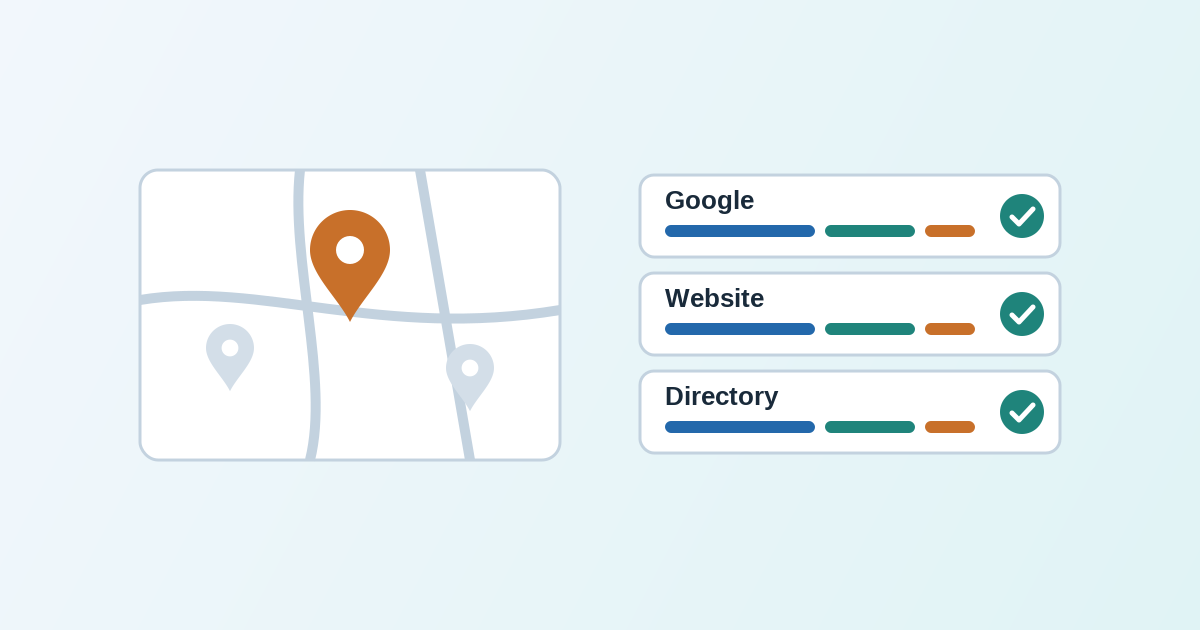
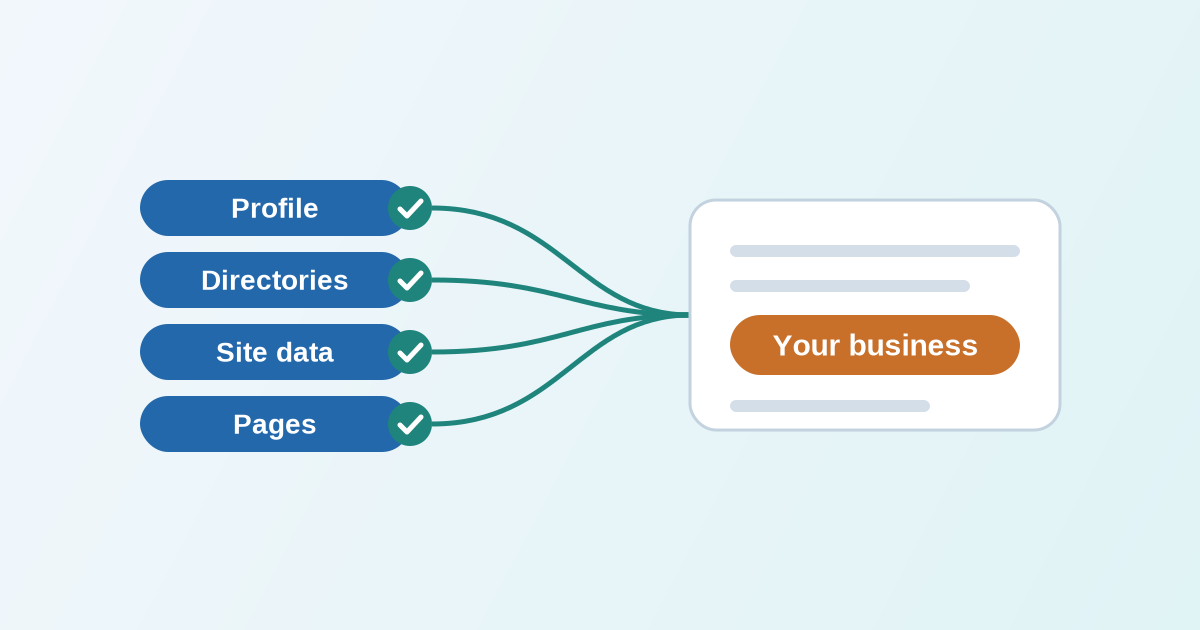
When someone nearby searches for what you do, Google shows a map with three businesses under it. Your Google Business Profile counts for more there than anything else you control, and so does whether the rest of the internet agrees with it. Most profiles have a few problems their owners have never seen, because nothing on the profile says anything is wrong.
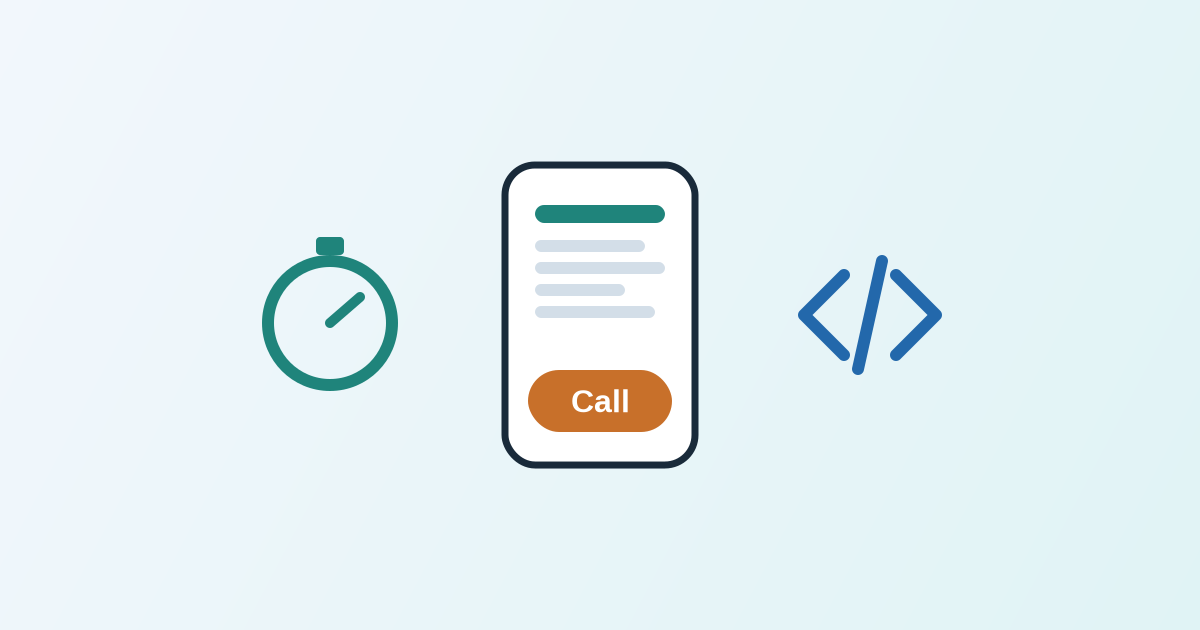
Most of the small business sites we are asked to look at were built on a page builder, and they have the same three problems: they take too long to load, half the page is gone if a script fails, and the phone number is a picture. So the first thing we do is not a redesign. Let’s look at what you already have. Quite often the pages are fine and the problem is somewhere else entirely.
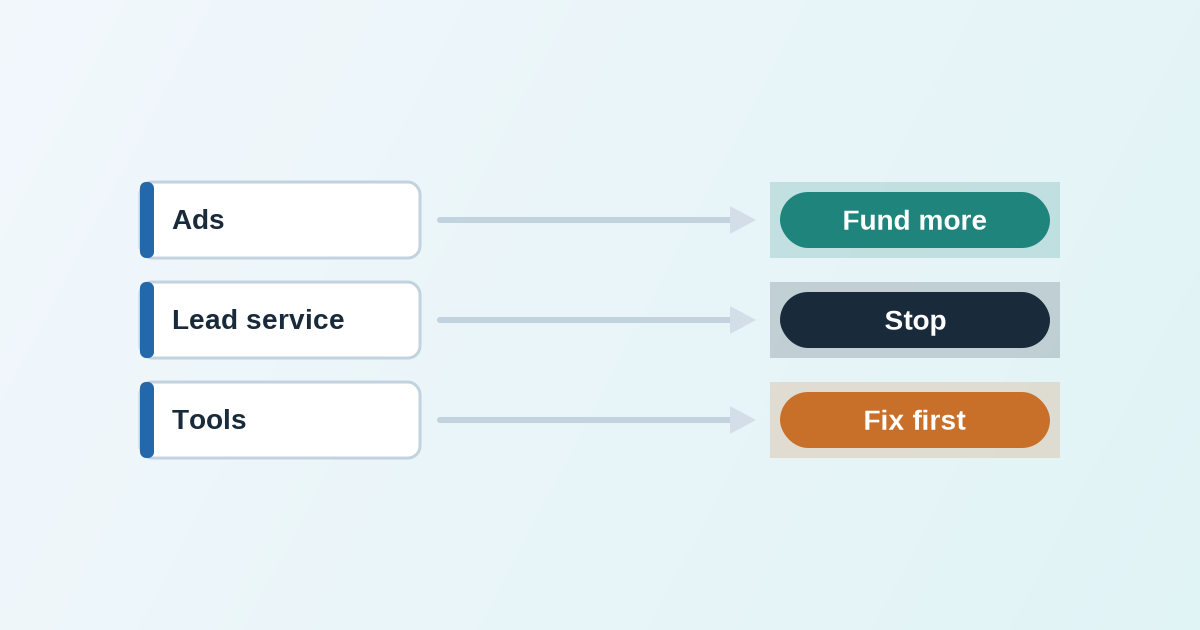
You’re probably paying for more than one thing that is meant to bring in calls: ads, a lead service, a website, a Google listing. Some of it works and some of it does not, and the bills look the same either way. Marketing consulting finds out which is which.
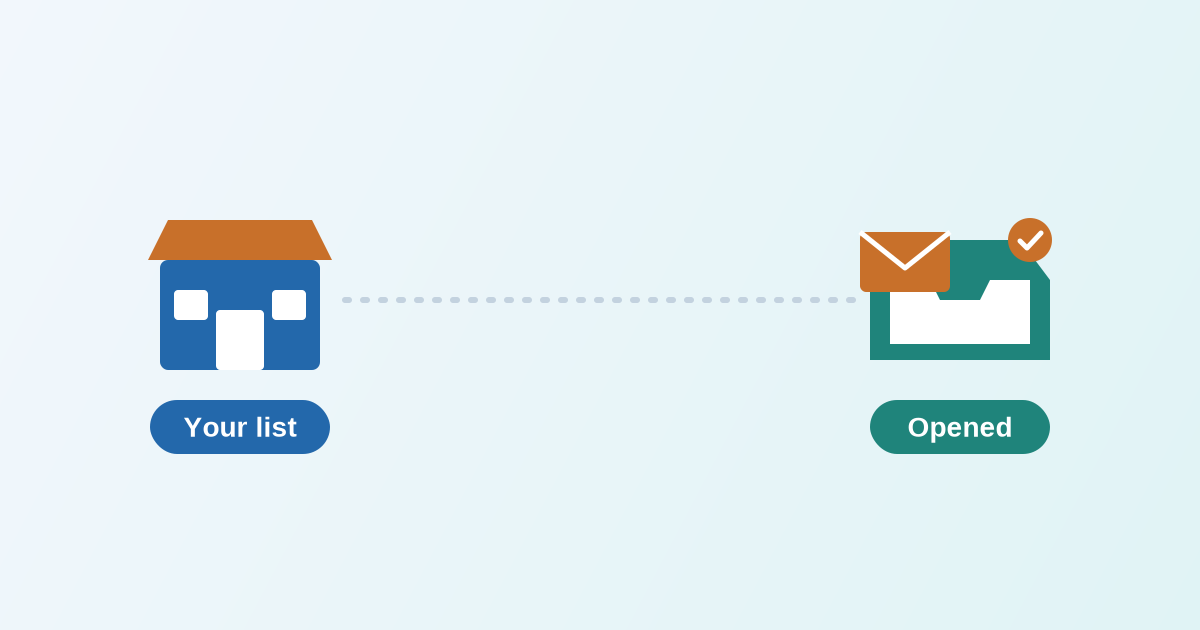
The most useful thing about email is that nobody stands between you and the people on your list. Google decides what it shows and the social feeds decide who sees a post, but a message to your list arrives because someone asked to hear from you. That is worth protecting, so before anything is built we put in writing whose name is on the account the list lives in, with one aim: if we ever part ways, the list goes with you.
Some of your customers no longer type into a search box and scroll. They ask ChatGPT, or the AI summary that now sits on top of Google, and they call whoever the answer names. You cannot buy a place in those answers, and anyone who guarantees you one is guessing at best.
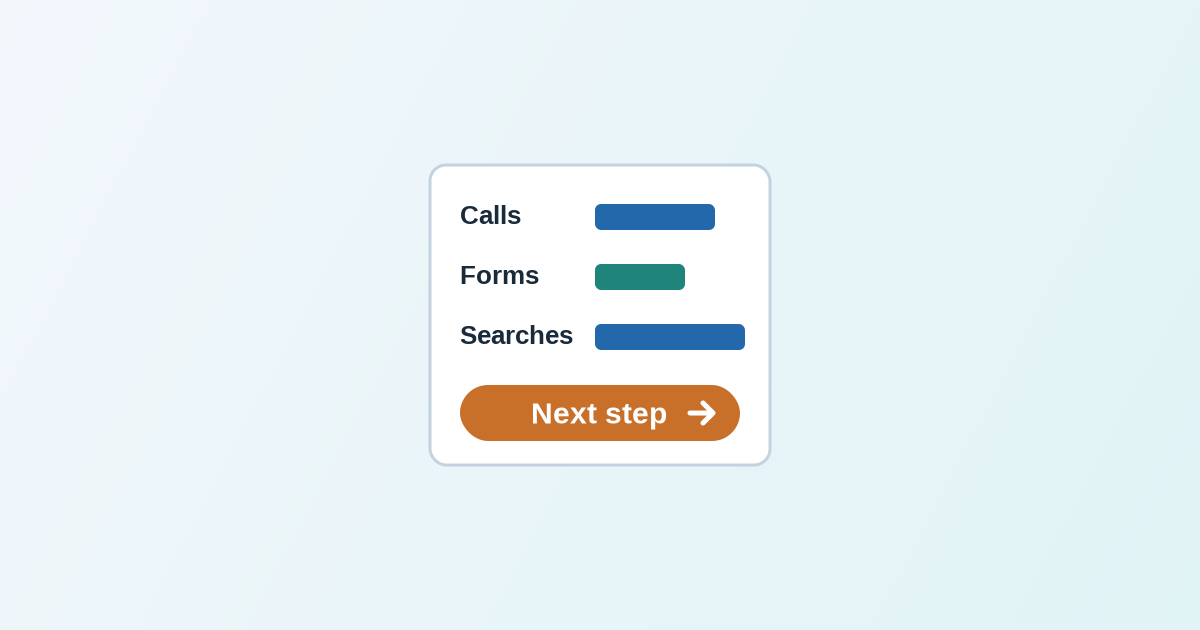
Everything we do is backed up by provable metrics, which only works if the measuring is set up before the marketing starts. That is what this service is: the counters put in the right places, and a monthly report short enough to read that says what happened and what we think you should do about it.
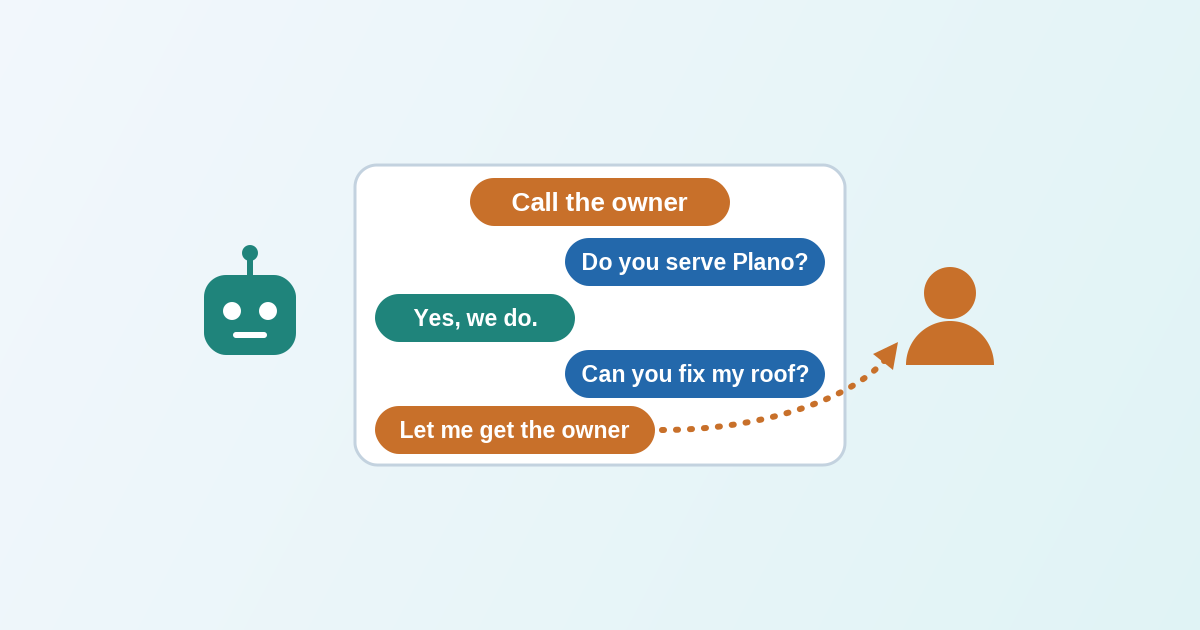
People do not hate chatbots. They hate being trapped by one: the widget that cannot answer the question, will not admit it, and stands between them and a human being. So the first design decision here is the one most bot projects skip. Your phone number stays visible on every page, the bot never becomes the only way in, and when it does not know something it says so and points at you.
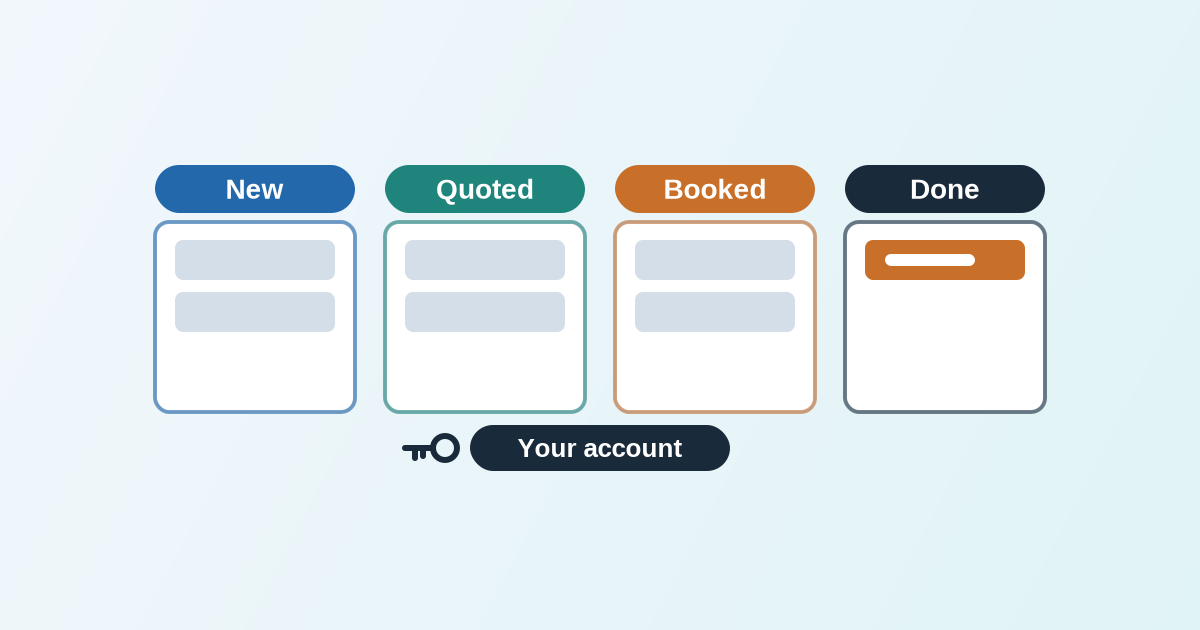
GoHighLevel can run your pipeline, your follow-up texts and emails, your booking calendar, your review requests, and a good deal more. That range is the sales pitch, and it is also the trap: an account with everything switched on and nothing finished is where CRM projects go to die. The buildout that works starts from how your business already runs and configures only the pieces that serve it, each one finished and in use before the next is touched.
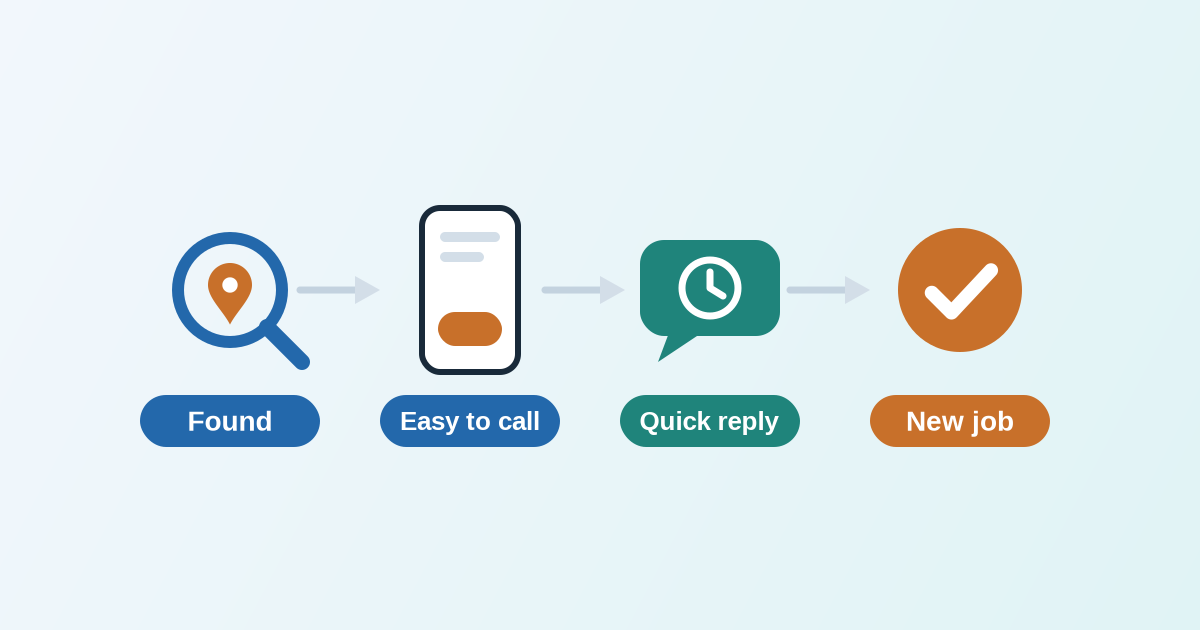
A lead is not a thing you buy. It is what falls out when three ordinary things work at the same time: a business that can be found by someone who needs it, a page that makes calling or writing easy, and a follow-up that happens while the person still cares. Most businesses we look at have one of the three. The work is standing up the other two and wiring them together.
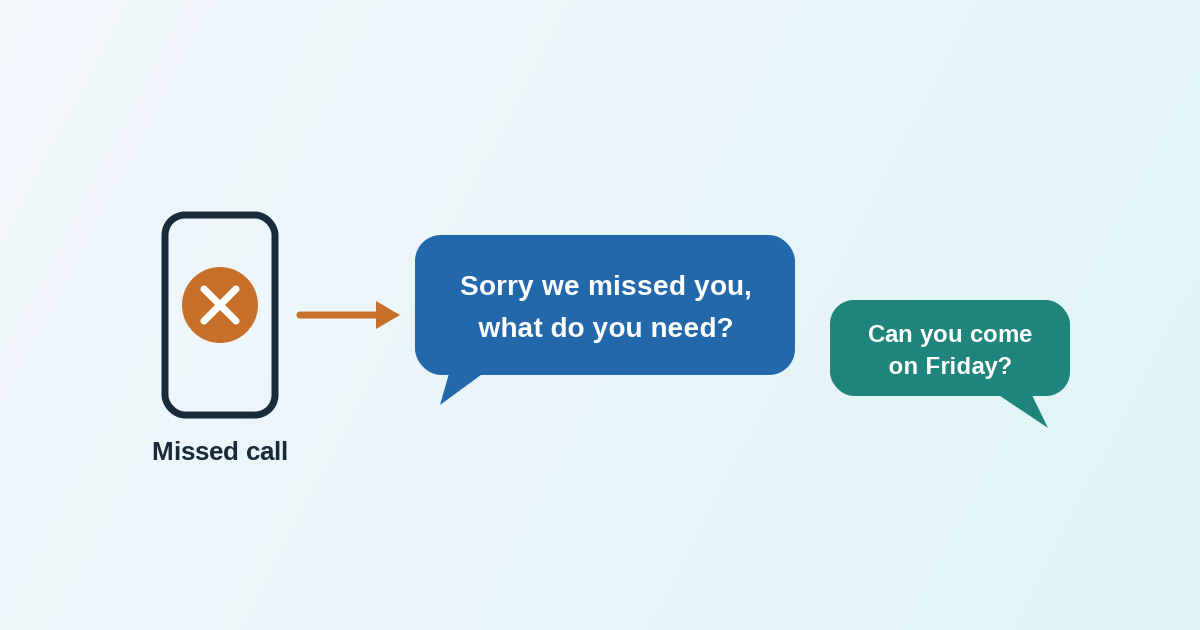
You are on a ladder, or with a customer, or driving, and the phone rings. It goes to voicemail. The caller does not leave one. They found you in a list of businesses like yours, and the next name on that list is one tap away.
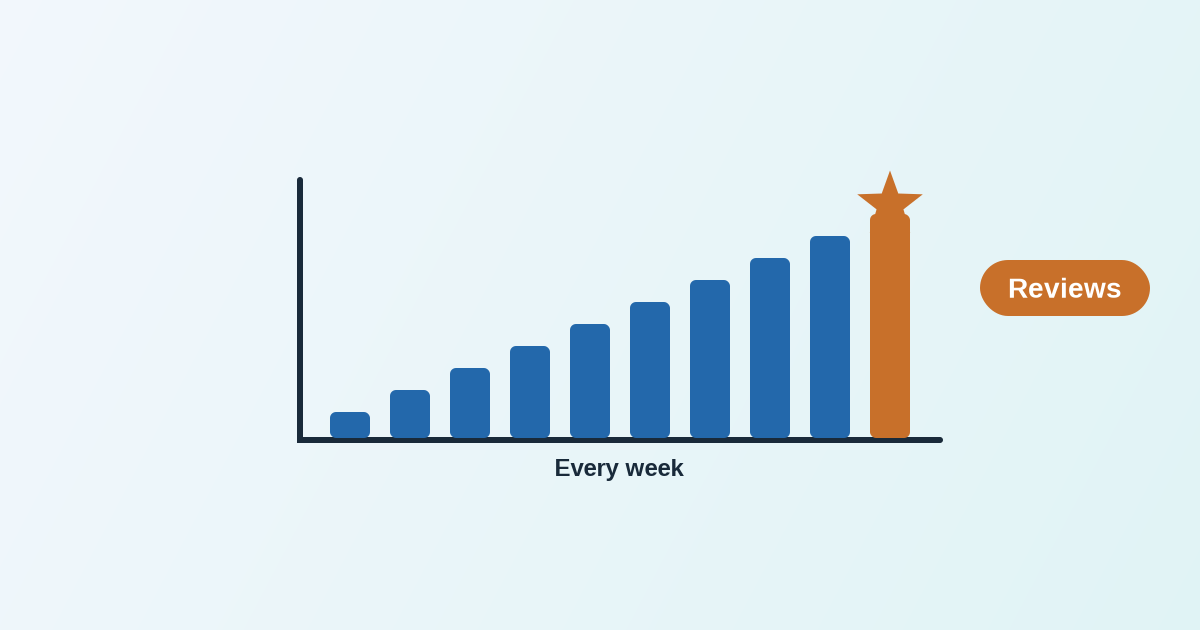
Ask for a review on every job, through the same channel every time. That is the whole method, and we say it for free because knowing it is not the hard part. The hard part is that it has to happen on the day the work finished, every time, including the busy weeks, and busy weeks are exactly when nobody remembers to ask. So most businesses ask in bursts: a flurry of requests when work is slow, then months of silence. The reviews arrive in the same lumps, and a profile that gained nine reviews in one week and none since March reads oddly to customers and to Google alike.
Some businesses are not ready for a marketing retainer, and pretending otherwise helps nobody. If the sales are not there yet, what you need is not a campaign. It is to exist properly: a site with your name on it that says what you do, where you do it, and how to call you, that comes up when someone searches for you, and that does not embarrass you when they find it.
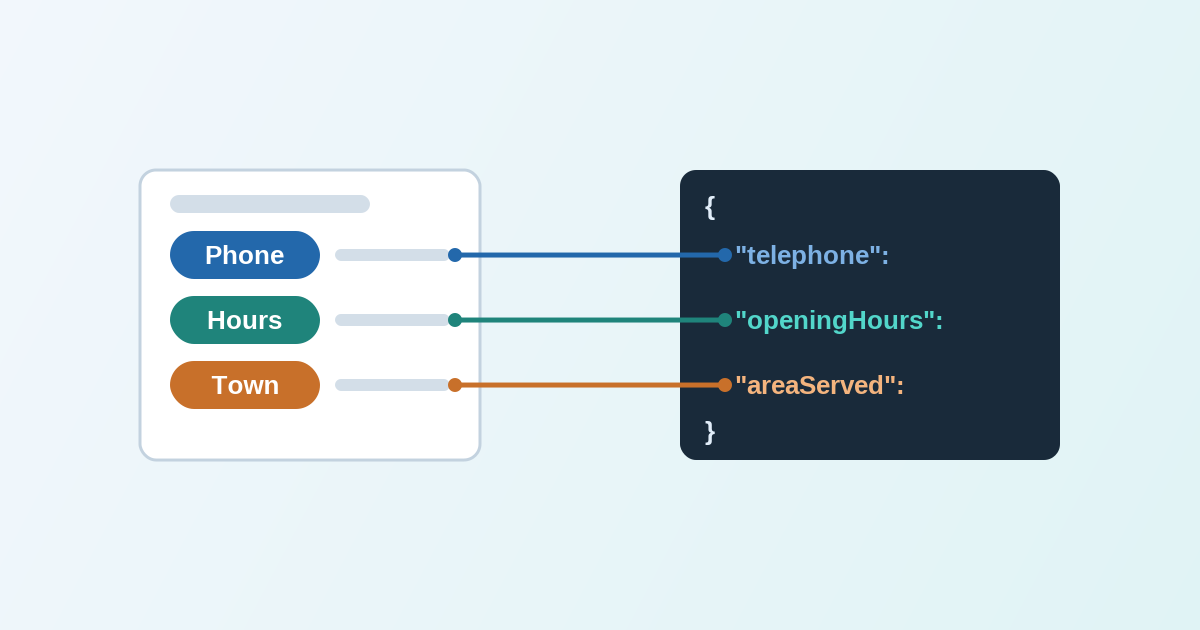
JSON-LD is the thing that puts your business details in a form machines read without guessing: your name, phone, hours, the towns you serve, and the work you do, written as a short block of code in your page that visitors never see. Search engines read it, and so does anything else that reads your page’s code rather than its layout. Plenty of small business sites have none. Others have a block a plugin wrote years ago that now disagrees with the page: an old phone number, hours that changed, a review score with no reviews behind it. Let’s look at what you already have. Then we write markup that says exactly what your page says, and check it the way Google does.
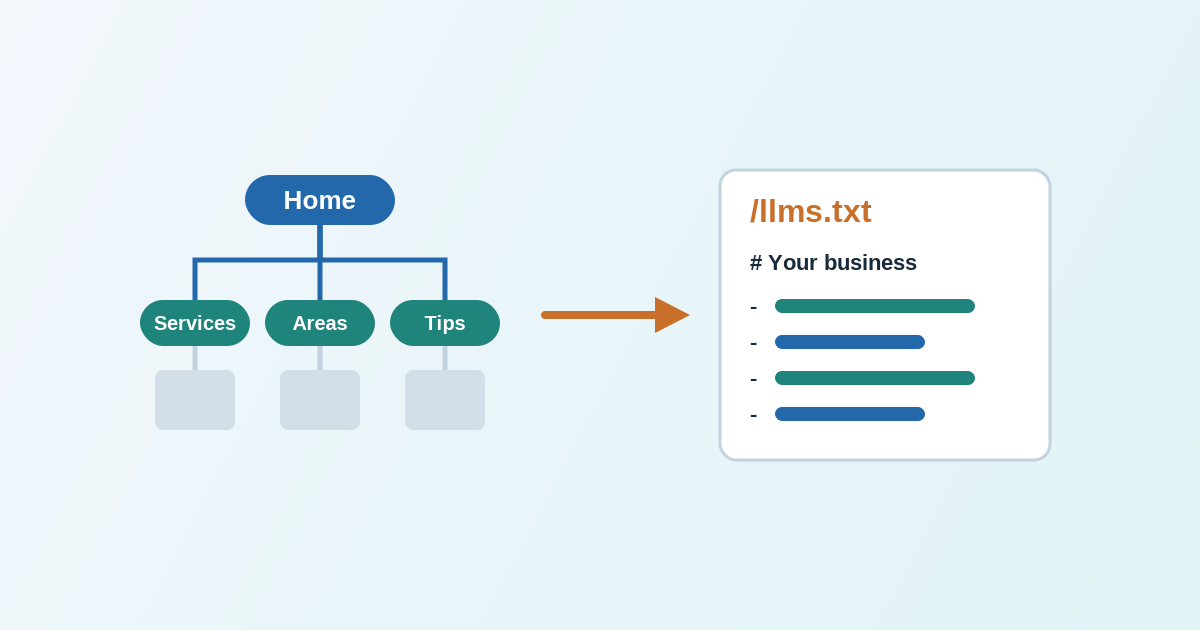
An llms.txt file is a plain text page at the root of your site, at /llms.txt, that tells AI tools what your business is and which pages matter, with a line about each. It is cheap, it is new, and it is oversold. Some providers pitch it as the way into ChatGPT’s answers. Nothing we have seen supports that, and Google does not use the file. We add one anyway, because on a site we build it is generated from the pages themselves and costs nothing to keep current. Here is what it is, who reads it, what ours looks like, and what to expect from it, which today is not much.
Software development and automation for a fixed bid you see before work starts, with code you own.
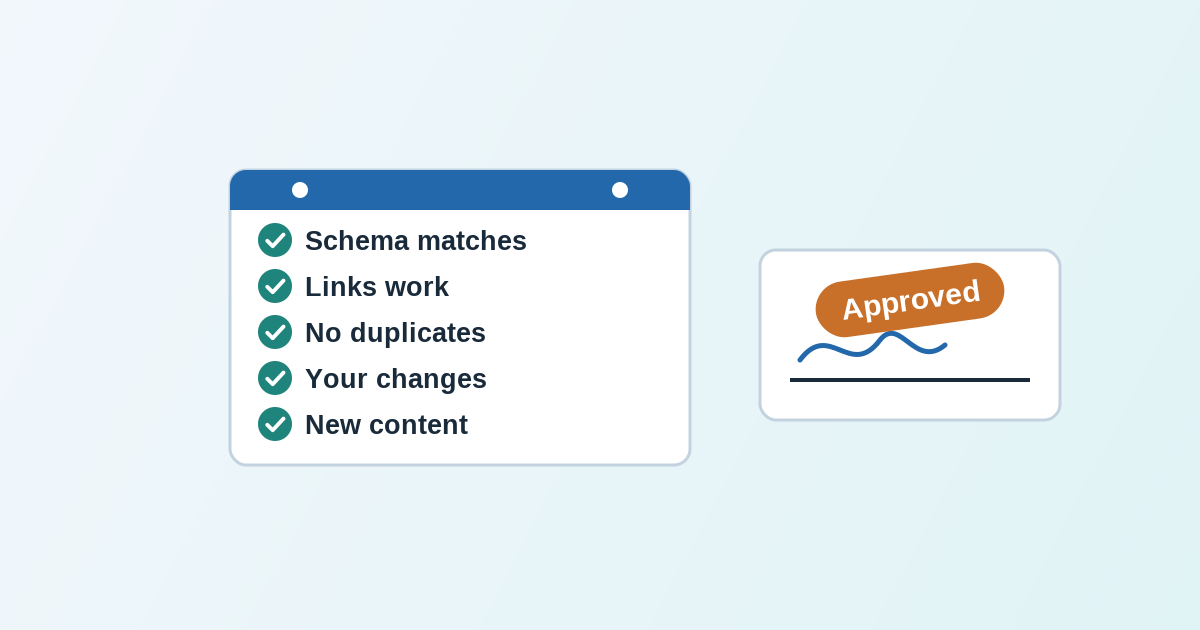
Every month we go through your site and look for what’s wrong. That means schema that no longer matches the page, broken links, duplicate pages, missing images, and anything a Google update asks for. Schema is the code that puts your hours in the search result, so when it disagrees with the page, Google gets the wrong answer.